Penglipuran Bali: A Living Example of Sustainable Village Life
Discover Penglipuran Village in Bali, known for its clean environment, bamboo forest, and preserved traditions—an inspiring model of sustainable community living.
History
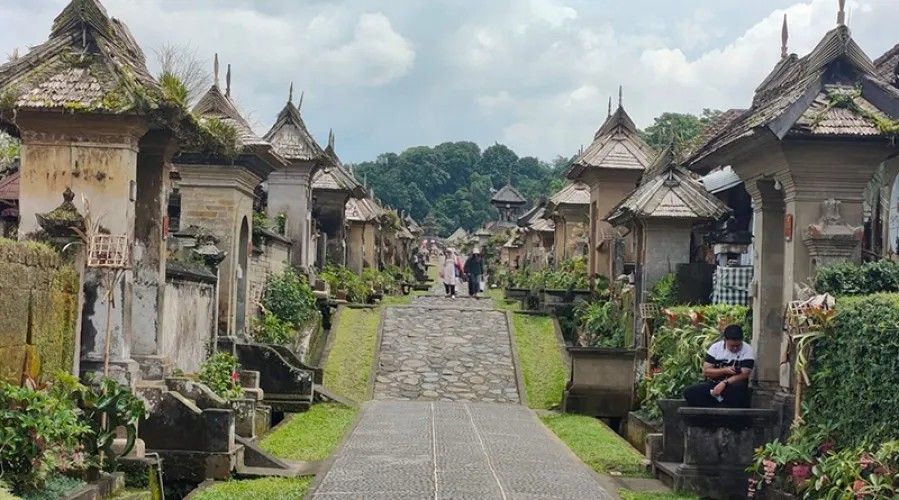
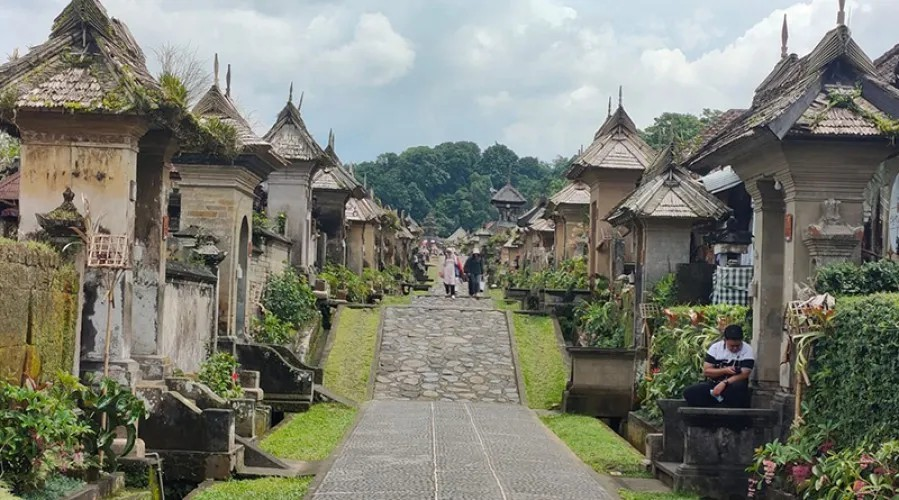
Penglipuran Village has become an international tourist destination, developed to highlight its unique customs and cultural identity. The well-preserved and neatly arranged structures give every corner of the village a meaningful presence. The village’s physical layout reflects the local culture, which has been carefully maintained and passed down through generations.The name Penglipuran is believed to come from the Balinese phrase “pengeling pura,” which means “a place to remember the ancestors.” This reflects the village’s deep connection to its heritage and the people who came before them. The community traces its roots to the Bali Mula, one of the island’s oldest ancestral groups, known for preserving pre-Majapahit traditions. Their lineage is tied to ancient customs, land stewardship, and a strong commitment to maintaining harmony between people, nature, and spiritual spaces.
Nilai Arsitektur
Picture walking through Penglipuran Village: neat houses with matching angkul-angkul gates, each yard holding a sanggah, bale, and paon. Every detail follows Tri Mandala and Tri Hita Karana, keeping harmony between people, nature, and the divine. From the top of the village to the bottom, every step feels in tune, as if the village itself breathes with its surroundings and traditions.Each household compound contains essential structures such as the sanggah (family shrine), bale dangin (family activity pavilion), bale sakenem (ceremonial pavilion), and paon (traditional kitchen). The uniform angkul-angkul gateways mark each entrance, symbolizing both identity and social order within the community. The village’s elongated layout, gentle slope, and sacred- oriented building placement all reflect how Penglipuran continues to preserve its architectural heritage with harmony and sustainability.
Bamboo Forest: Nature and Tradition
Bamboo grows abundantly from lowlands to mountains in Indonesia, and in Penglipuran, it has long been part of village life. Locals use bamboo for homes, handicrafts, and ceremonies, reflecting traditions passed down for generations.1. 45-Hectare Forest
The bamboo forest in Bangli spans 45 hectares, covering parts of Penglipuran, Kayubihi, and Kubu, with Penglipuran holding 40% of the area.
2. 14 Bamboo Species
The forest hosts 14 bamboo types, each with specific uses—some for building materials like petung, jajang, and tali; others for rituals.
3. Ritual Use
Bamboo supports religious ceremonies, serving as penjor poles, woven offerings, and supports for ogoh-ogoh statues during Nyepi celebrations.
4. Sacred Significance
The forest is considered sacred. Locals follow specific times and seasons
for harvesting to maintain harmony with nature, in line with Tri Hita
Karana principles.
5. Sustainable Practices & Economy
Bamboo remains vital for homes, ceremonial halls, and community buildings, while preserving the forest ensures water supply and ecological balance.
Cleanliness in Penglipuran
In Penglipuran, maintaining a clean environment is not just a habit—it’s a cultural practice rooted in local wisdom. Residents actively manage waste and keep their surroundings tidy, guided by traditional customs and communal rules. This approach ensures that litter is minimal, natural resources are respected, and the village remains visually pristine.By combining ancestral knowledge with everyday practice, Penglipuran has turned cleanliness into a sustainable advantage, attracting visitors who admire not only the village’s beauty but also its harmonious way of living. The community’s care for the environment demonstrates how tradition and tourism can thrive together, preserving both culture and nature.
Rules & Customary Laws in Penglipuran Village
In Penglipuran, formalized customary laws known as Awig‐Awig serve as the backbone of community regulation. These rules cover a range of social, cultural, and environmental behaviors—such as waste management, building styles, and ritual practices.For example, according to research in 2022, villagers must seek permission from the village assembly before harvesting bamboo or timber, and specific rituals (like nunas and matur piuning) must precede the cutting. These traditions support sustainable resource use and preserve the village’s bamboo forests
All in all, the rules in Penglipuran are not just regulations—they reflect the
village’s value system: harmony among people, nature, and the sacred. By
consistently enforcing these rules, the village maintains its identity, cleanliness,
and cultural integrity.